



Application
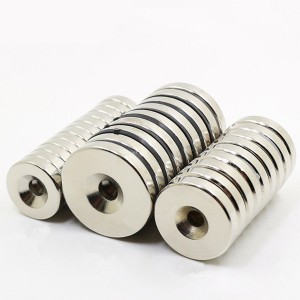
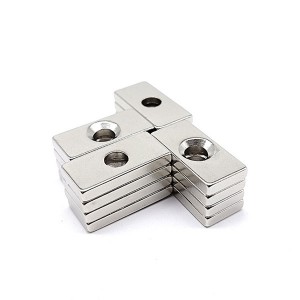
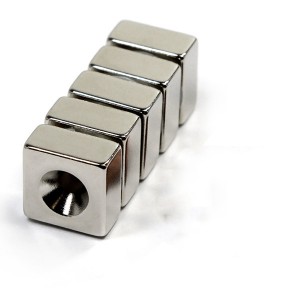
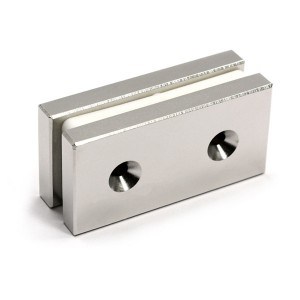
Neodymium magnets are essential across modern industries. In motors and generators, they enable compact, high-efficiency designs for electric vehicles, wind turbines, and home appliances. Electronics rely on them for speakers, headphones, and sensors. Automotive systems use magnets in pumps, seat mechanisms, and braking sensors. Medical devices employ them in MRI machines and magnetic therapy tools. Industrial applications include magnetic separators, lifting equipment, and workholding chucks. Consumer products such as magnetic closures, toys, and tool holders benefit from their strength. With superior magnetic performance, neodymium magnets continue to drive innovation in renewable energy, automation, and miniaturized electronics.


FAQ
Q1: How are high-temperature arc neodymium magnets graded, and what do the suffix letters mean?
A1: The suffix letter indicates the maximum operating temperature. Standard grades (no suffix) work up to 80°C. M‑grade reaches 100°C, H‑grade 120°C, SH‑grade 150°C, UH‑grade 180°C, EH‑grade 200°C, and AH‑grade up to 220°C. For example, N48SH maintains stable flux up to ~150°C, while BMAG's AH series withstands 220°C without irreversible demagnetization. Choose the grade based on your motor's peak internal temperature.
Q2: What manufacturing processes create the arc shape while preserving high-temperature properties?
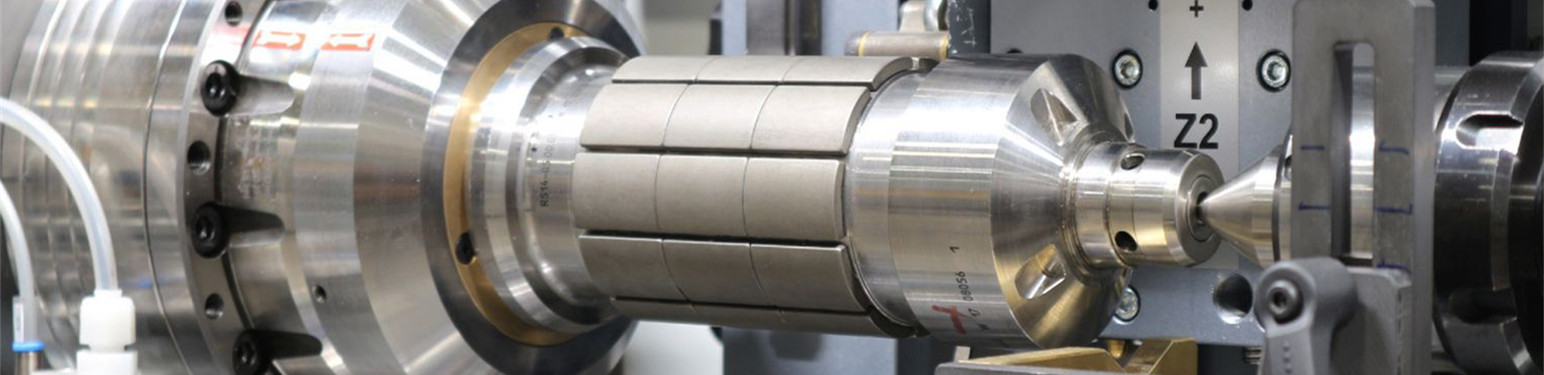
A2: The arc shape is achieved through wire electrical discharge machining (EDM) or diamond grinding. These precision methods ensure a smooth finish that protects the coating integrity. High-temperature grades (SH, UH, EH, AH) are typically processed from sintered NdFeB blocks by wire cutting. Premium manufacturers maintain tight tolerances of 0.02mm on arc geometry to minimize air gaps and maximize motor efficiency.
Q3: Where are high-temperature arc neodymium magnets most commonly applied?
A3: They are essential for EV motors, industrial drives, high-speed BLDC motors, generators, and magnetic couplings where both strong magnetic output and elevated temperature tolerance are required. The arc shape matches rotor/stator contours to minimize flux leakage. Specific uses include voice coil motors (VCMs), coreless DC motors, and aerospace actuators operating at high thermal limits.
Q4: How do you select the right high-temperature arc magnet grade for a motor application?
A4: First, determine your motor's maximum operating temperature including safety margin. For 120°C environments, choose H‑grade; for 150°C, SH‑grade; for 180°C, UH‑grade; for 200°C+, EH or AH‑grade. Also consider coercivity – higher grades (SH/UH/EH) have greater intrinsic coercivity to resist demagnetization under thermal stress. Always specify the grade with a suffix; otherwise, you'll receive standard 80°C magnets.
Q5: What coatings are recommended for high-temperature arc neodymium magnets?
A5: Nickel‑copper‑nickel (NiCuNi) is the standard coating, offering corrosion resistance up to 200°C. For more demanding environments, epoxy coatings provide additional chemical protection. Zinc plating is cost‑effective but thinner. The coating must withstand thermal expansion without cracking – nickel performs well up to 220°C. For specialty applications, gold, silver, or PTFE coatings are available. Always verify that the coating's temperature rating matches the magnet grade.